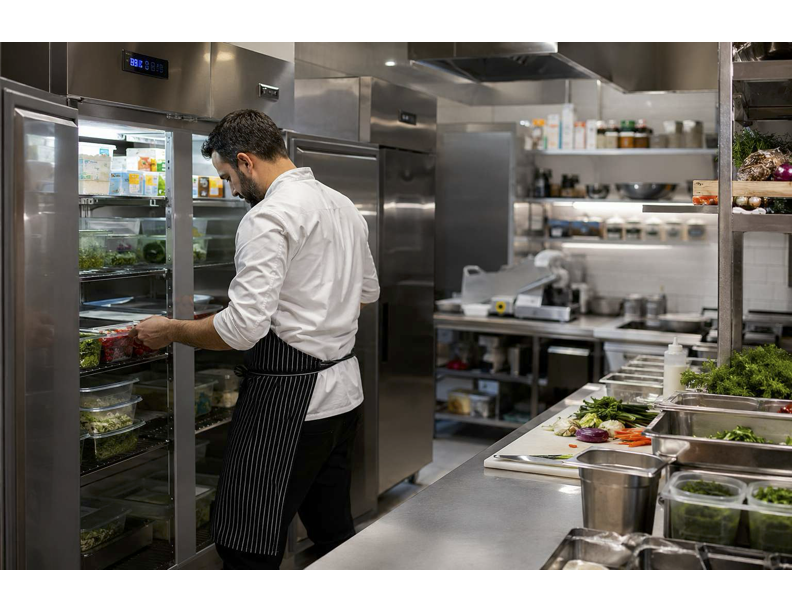
In every commercial kitchen, refrigeration is far more than a convenience—it's one of the most critical components of daily operations. From preserving food quality and meeting health regulations to controlling food costs and improving kitchen efficiency, reliable refrigeration plays a vital role in the success of restaurants, hotels, cafeterias, healthcare facilities, and foodservice businesses of every size.
Whether you're opening a new restaurant or upgrading an existing kitchen, understanding the importance of commercial refrigeration can help you make informed decisions that protect your investment and keep your operation running smoothly.
Why Commercial Refrigeration Matters
Unlike residential refrigerators, commercial refrigeration systems are engineered to withstand continuous use in demanding environments. They are designed to maintain consistent temperatures despite frequent door openings, high ambient kitchen temperatures, and heavy product loads.
Proper refrigeration helps businesses:
- Maintain safe food storage temperatures
- Extend the shelf life of ingredients
- Reduce food waste and spoilage
- Meet local health code requirements
- Improve kitchen workflow and productivity
- Lower long-term operating costs
Without dependable refrigeration, even the best-run kitchen can experience costly product loss, service interruptions, and food safety risks.
Types of Commercial Refrigeration Equipment
Different kitchens require different refrigeration solutions depending on menu, volume, and available space.
Reach-In Refrigerators and Freezers
Reach-in units are among the most common pieces of equipment in commercial kitchens. Available in one-, two-, and three-door configurations, they provide convenient access to ingredients during food preparation while maintaining consistent cooling performance.
These units are ideal for:
- Restaurants
- Cafés
- Bakeries
- School cafeterias
- Healthcare kitchens
Walk-In Coolers and Freezers
For operations storing large quantities of food, walk-in refrigeration offers maximum storage capacity while keeping products organized and easily accessible.
Walk-ins are commonly used by:
- Hotels
- Grocery stores
- Catering companies
- Institutional kitchens
- Large restaurants
Undercounter Refrigeration
Undercounter refrigerators maximize workspace by combining cold storage with food preparation stations. They are especially useful in kitchens where every square foot matters.
Benefits include:
- Faster ingredient access
- Improved workflow
- Space-saving design
- Enhanced productivity
Prep Tables
Sandwich prep tables, pizza prep tables, and refrigerated chef bases allow staff to prepare food while keeping ingredients safely chilled within arm's reach.
These units increase efficiency while minimizing unnecessary movement throughout the kitchen.
Food Safety Starts with Temperature Control
Maintaining proper food storage temperatures is essential for preventing bacterial growth.
General recommendations include:
- Refrigerators: 35°F–38°F
- Freezers: 0°F or below
Consistent temperature monitoring helps ensure compliance with food safety regulations while protecting customers from foodborne illnesses.
Many modern refrigeration systems now include digital temperature displays, alarms, and remote monitoring capabilities that notify operators before small problems become major failures.
Energy Efficiency Saves Money
Commercial refrigeration often operates 24 hours a day, making it one of the largest energy consumers in a foodservice facility.
Today's energy-efficient refrigeration equipment offers significant advantages:
- Lower utility bills
- Reduced environmental impact
- Improved compressor performance
- Better temperature consistency
- Longer equipment lifespan
Choosing ENERGY STAR® certified equipment can provide substantial long-term savings while reducing overall operating costs.
Routine Maintenance Extends Equipment Life
Preventive maintenance is one of the best investments a foodservice operation can make.
Regular maintenance should include:
- Cleaning condenser coils
- Inspecting door gaskets
- Monitoring refrigerant levels
- Checking evaporator fans
- Cleaning drain lines
- Verifying thermostat accuracy
Simple maintenance tasks can prevent unexpected breakdowns and help equipment perform efficiently for years.
Signs Your Refrigeration Equipment Needs Service
Ignoring early warning signs can lead to expensive repairs or complete equipment failure.
Watch for:
- Inconsistent temperatures
- Frost buildup
- Excessive condensation
- Loud or unusual noises
- Increased energy bills
- Water leaks
- Compressor running continuously
Scheduling professional service at the first sign of trouble can prevent product loss and minimize downtime.
Choosing the Right Refrigeration Equipment
When selecting refrigeration equipment, consider more than just purchase price.
Important factors include:
- Storage capacity
- Kitchen layout
- Energy efficiency
- Temperature recovery performance
- Warranty coverage
- Ease of maintenance
- Future business growth
Working with experienced foodservice equipment professionals can help ensure your refrigeration system meets both your current needs and long-term operational goals.
The Bottom Line
Commercial refrigeration is the backbone of every successful foodservice operation. Reliable cooling protects food quality, supports food safety compliance, reduces waste, and keeps kitchens operating efficiently throughout the day.
Investing in high-quality refrigeration equipment and following a proactive maintenance plan not only protects valuable inventory but also improves productivity, lowers operating costs, and provides peace of mind.
Whether you operate a neighborhood café, a busy restaurant, or a large institutional kitchen, dependable refrigeration is an investment that pays dividends every day.