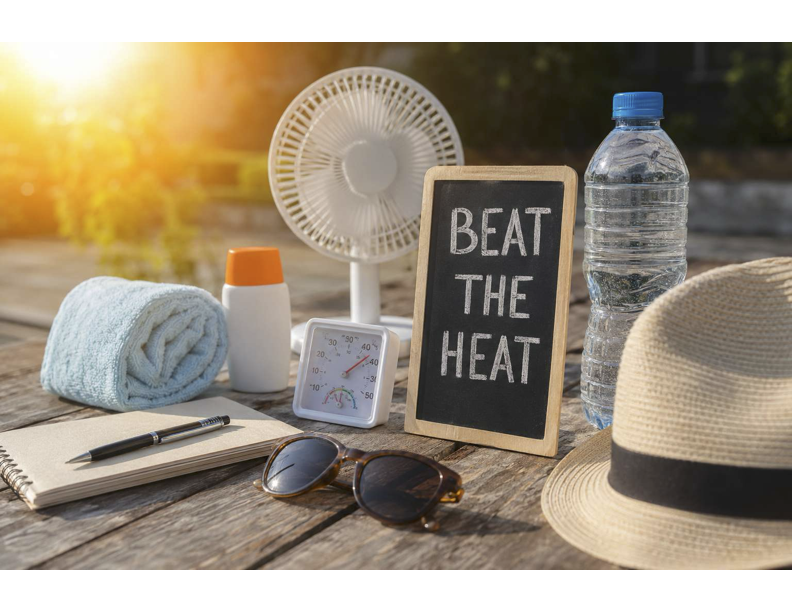
As temperatures climb each summer, staying cool becomes more than just a matter of comfort—it's essential for protecting your health, maintaining productivity, and enjoying the season safely. Whether you're spending time outdoors, working in a warm environment, or simply trying to keep your home comfortable, a few smart strategies can make a significant difference.
Stay Hydrated
One of the most effective ways to combat extreme heat is to drink plenty of water throughout the day. Your body loses fluids quickly through sweat, and dehydration can develop before you even feel thirsty.
To stay properly hydrated:
- Drink water consistently, even if you don't feel thirsty.
- Limit sugary drinks and excessive caffeine or alcohol, which can contribute to dehydration.
- If you're exercising or working outdoors, consider electrolyte-replenishing beverages to replace minerals lost through sweat.
Dress for the Weather
Lightweight, loose-fitting clothing made from breathable fabrics like cotton or moisture-wicking materials helps your body regulate temperature more efficiently. Choosing light-colored clothing also reflects sunlight rather than absorbing it.
Don't forget:
- Wear a wide-brimmed hat when outdoors.
- Protect your eyes with UV-blocking sunglasses.
- Apply broad-spectrum sunscreen with SPF 30 or higher, even on cloudy days.
Avoid Peak Heat Hours
The hottest part of the day typically falls between 10 a.m. and 4 p.m. Whenever possible, schedule outdoor activities during the early morning or evening when temperatures are lower.
If you must be outside:
- Take frequent breaks in shaded or air-conditioned areas.
- Reduce strenuous physical activity.
- Monitor yourself and others for signs of heat-related illness.
Keep Your Home Cool
Indoor temperatures can quickly become uncomfortable during a heatwave. Simple adjustments can help reduce heat buildup while lowering energy costs.
Consider these strategies:
- Close blinds and curtains during the hottest hours.
- Use ceiling fans to improve air circulation.
- Limit the use of ovens and other heat-producing appliances during the day.
- Seal drafts around windows and doors to improve air conditioning efficiency.
Eat Light and Fresh
Heavy meals can increase your body's internal temperature. Instead, choose foods that are easy to digest and naturally hydrating.
Great summer options include:
- Fresh fruits such as watermelon, oranges, and berries.
- Salads packed with vegetables.
- Yogurt, smoothies, and chilled soups.
- Lean proteins paired with seasonal produce.
Recognize the Signs of Heat-Related Illness
Heat exhaustion and heat stroke can develop quickly, especially during prolonged exposure to high temperatures.
Common warning signs include:
- Excessive sweating
- Dizziness or lightheadedness
- Muscle cramps
- Headache
- Nausea
- Rapid heartbeat
- Confusion or difficulty speaking
If someone shows signs of heat stroke—such as a body temperature above 104°F (40°C), confusion, loss of consciousness, or hot, dry skin—call emergency services immediately and begin cooling the person while waiting for help.
Protect Children, Older Adults, and Pets
Certain groups are especially vulnerable to extreme heat. Check regularly on elderly family members and neighbors, ensure children stay hydrated during outdoor play, and always provide pets with fresh water and shade.
Never leave children or pets inside a parked vehicle, even for a few minutes. Interior temperatures can become life-threatening in a very short time.
Plan Ahead for Heatwaves
Preparing before temperatures spike can help you stay comfortable and avoid unnecessary risks.
A simple heat preparedness checklist includes:
- Monitoring local weather forecasts.
- Keeping reusable water bottles filled.
- Stocking electrolyte drinks and easy-to-prepare meals.
- Testing fans and air conditioning systems.
- Identifying nearby cooling centers if needed.
Final Thoughts
Summer brings opportunities to travel, enjoy outdoor activities, and spend time with family and friends—but extreme heat requires thoughtful preparation. By staying hydrated, limiting sun exposure, keeping your living space cool, and recognizing the warning signs of heat-related illness, you can safely enjoy everything the season has to offer.
A few proactive habits can make all the difference, helping you stay healthy, productive, and comfortable no matter how high the temperature rises.