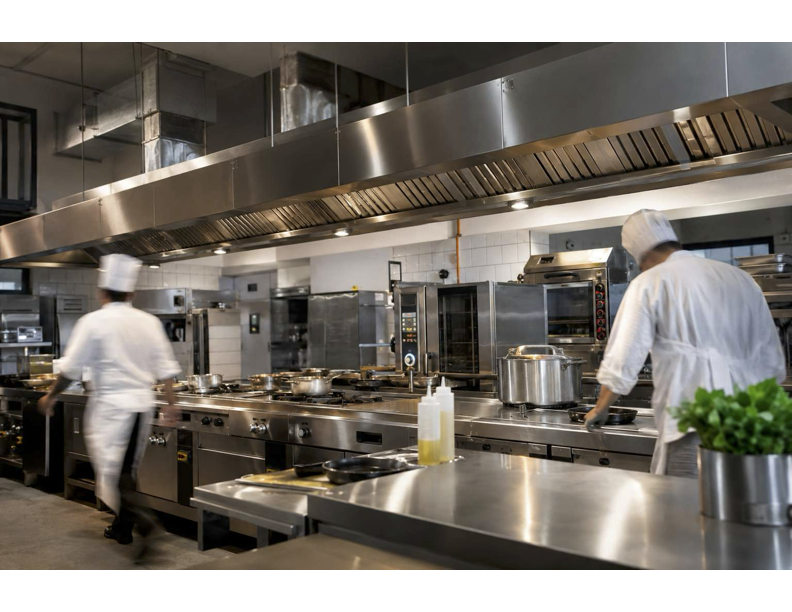
Commercial kitchens are among the most energy-intensive environments in any business. From exhaust systems and refrigeration units to cooking equipment and lighting, restaurants and food service facilities consume significant amounts of electricity and gas every day. Improving energy efficiency is no longer just an environmental initiative—it has become a strategic business decision.
Why Energy Efficiency Matters
Energy costs represent a substantial portion of a commercial kitchen's operating expenses. By implementing energy-efficient practices and equipment, businesses can significantly reduce utility bills, extend the lifespan of their equipment, and create a more comfortable working environment for employees.
Additionally, many customers increasingly prefer businesses that demonstrate a commitment to sustainability, making energy efficiency a valuable component of a company's brand image.
Key Areas for Improvement
1. Upgrade to High-Efficiency Equipment
Modern commercial cooking equipment is designed to maximize performance while minimizing energy consumption. ENERGY STAR® certified appliances, including fryers, ovens, dishwashers, and refrigeration systems, can deliver substantial savings over their operational lifetime.
While the initial investment may be higher, the reduction in energy costs often results in an attractive return on investment.
2. Optimize Kitchen Ventilation
Kitchen exhaust systems are essential for maintaining a safe and comfortable environment. However, traditional ventilation systems often operate at full capacity regardless of actual cooking activity.
Demand-controlled kitchen ventilation systems adjust fan speeds based on real-time cooking conditions. By reducing airflow during periods of lower demand, these systems can significantly decrease both electrical consumption and conditioned air losses.
3. Maintain Refrigeration Equipment
Poorly maintained refrigeration units work harder and consume more energy. Regular cleaning of condenser coils, inspecting door seals, and ensuring proper temperature settings can improve efficiency and reduce operating costs.
Preventive maintenance programs help identify issues before they become expensive repairs or lead to food safety concerns.
4. Transition to LED Lighting
Lighting upgrades offer one of the quickest returns on investment. LED fixtures consume substantially less electricity than traditional lighting and generate less heat, reducing the burden on air conditioning systems.
Their longer lifespan also lowers replacement and maintenance costs.
5. Train Staff on Energy-Conscious Practices
Employee behavior has a direct impact on energy usage. Simple practices such as turning off idle equipment, minimizing refrigerator door openings, and reporting maintenance issues promptly can contribute to meaningful savings over time.
Building a culture of energy awareness empowers staff to participate in the organization's sustainability goals.
The Financial Benefits
Energy-efficient kitchens often experience:
- Lower monthly utility expenses
- Reduced equipment maintenance costs
- Improved operational reliability
- Enhanced employee comfort and productivity
- Greater eligibility for utility rebates and incentives
These benefits collectively improve profitability while supporting long-term business growth.
Looking Toward the Future
As energy prices continue to fluctuate and environmental regulations evolve, investing in efficiency is becoming increasingly important. Commercial kitchen operators who proactively adopt energy-saving technologies position themselves for greater resilience and competitiveness.
Energy efficiency is not about compromising performance—it's about achieving the same or better results while using resources more intelligently. By evaluating current operations and identifying opportunities for improvement, commercial kitchens can reduce their environmental footprint while strengthening their bottom line.
Conclusion
Every commercial kitchen has opportunities to improve efficiency. Whether through equipment upgrades, ventilation optimization, preventive maintenance, or employee engagement, even small changes can produce significant results.
The most successful operations recognize that sustainability and profitability are not opposing goals. In today's food service industry, energy efficiency is simply smart business.