If you run a commercial kitchen, ventilation isn’t optional. It affects safety, comfort, code compliance, and even how efficiently your staff can work during a busy shift.
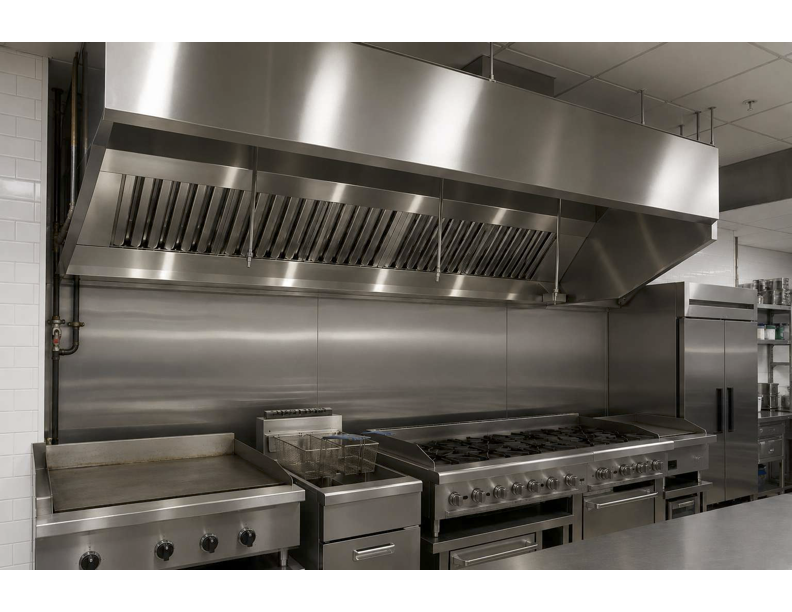
Most people are familiar with large exhaust hoods over fryers and grills. Those are usually Type 1 systems. But not every kitchen appliance produces grease or smoke. That’s where Type 2 commercial kitchen ventilation systems come in.
Here’s what they are, how they work, and when they make sense for your kitchen.
What Is a Type 2 Commercial Kitchen Ventilation System?
A Type 2 hood is a commercial kitchen exhaust system designed to remove heat, steam, odors, and moisture from the air.
Unlike Type 1 hoods, Type 2 systems are not built to handle grease-laden vapors.
They’re commonly installed above appliances that produce:
- Steam
- Heat
- Humidity
- Non-greasy smoke or odors
Typical examples include:
- Dishwashers
- Pasta cookers
- Steamers
- Ovens without grease production
- Coffee equipment
- Some baking appliances
The goal is simple: improve air quality and maintain a safe, comfortable kitchen environment.
Type 1 vs. Type 2: What’s the Difference?
The biggest difference comes down to grease.
Type 1 Hoods
Type 1 systems are required for appliances that create grease or smoke from cooking oils and fats.
These systems include:
- Grease filters
- Fire suppression systems
- Grease-rated ductwork
They’re used over:
- Fryers
- Grills
- Charbroilers
- Woks
- Ranges
Type 2 Hoods
Type 2 systems handle:
- Heat
- Steam
- Condensation
- Odors
But they do not remove grease particles.
Because of that, they usually:
- Don’t require grease filters
- Don’t require welded grease ducts
- Have simpler installation requirements
- Cost less than Type 1 systems
Still, local building and fire codes vary, so approval from the authority having jurisdiction (AHJ) is essential before installation.
Common Applications for Type 2 Systems
Not every commercial kitchen needs a full grease exhaust setup everywhere.
Type 2 ventilation works well in areas such as:
Warewashing Stations
High-temperature dishwashers create large amounts of steam and humidity. Without ventilation, condensation builds quickly.
Bakery Operations
Many baking processes generate heat but little or no grease.
Institutional Kitchens
Schools, hospitals, and cafeterias often use steam-jacketed kettles or rethermalization equipment that fits Type 2 requirements.
Beverage Stations
Large coffee systems and beverage equipment can produce excess heat and moisture in compact areas.
Prep Kitchens
Spaces focused on cold prep or light warming may only require Type 2 exhaust.
Benefits of Type 2 Commercial Kitchen Ventilation
Lower Installation Costs
Since Type 2 systems aren’t designed for grease removal, they’re generally less complex and less expensive to install.
That can mean:
- Simpler duct construction
- Reduced fire protection requirements
- Lower labor costs
Better Employee Comfort
Heat and humidity build up fast in commercial kitchens. Proper ventilation helps stabilize temperatures and improve airflow.
Staff notice the difference during long shifts.
Moisture Control
Steam-heavy kitchens can develop condensation issues on ceilings, walls, and equipment.
A properly sized Type 2 hood helps reduce:
- Mold risk
- Water damage
- Slippery floors
- Corrosion
Improved Indoor Air Quality
Even non-grease cooking equipment affects air quality. Removing odors and airborne moisture creates a cleaner environment for both staff and guests.
Important Code Considerations
One of the biggest mistakes operators make is assuming an appliance qualifies for Type 2 ventilation when it actually requires Type 1 protection.
Codes are typically based on:
- The appliance itself
- Manufacturer specifications
- Actual cooking processes
- Grease production levels
For example, an oven used for greasy foods may require Type 1 ventilation even if the equipment looks similar to a low-grease appliance.
Before installation:
- Review local mechanical and fire codes
- Check manufacturer ventilation requirements
- Consult a licensed HVAC or kitchen ventilation professional
- Confirm requirements with your local inspector
This step can save significant money and delays later.
Makeup Air Matters Too
Exhausting air from a kitchen without replacing it creates negative pressure.
That leads to problems like:
- Doors that slam shut
- Poor HVAC performance
- Smoke drifting into dining areas
- Uncomfortable working conditions
A balanced ventilation design includes makeup air to replace exhausted air properly.
Even a smaller Type 2 system should be designed as part of the building’s overall airflow strategy.
Maintenance Requirements
Type 2 systems are generally easier to maintain than grease systems, but they still require routine care.
Regular maintenance should include:
- Cleaning hood surfaces
- Inspecting fans and motors
- Checking ductwork for buildup
- Verifying airflow performance
- Replacing filters when applicable
Neglecting maintenance reduces efficiency and shortens equipment life.
How to Know if You Need a Type 2 Hood
A Type 2 system may be appropriate if your equipment produces:
- Heat
- Steam
- Moisture
- Odors
- Non-grease vapors
But not:
- Grease-laden smoke
- Oil vapor
- Heavy cooking effluent
The safest approach is to evaluate each appliance individually rather than assuming the whole kitchen falls into one category.
Final Thoughts
Type 2 commercial kitchen ventilation systems play an important role in many modern foodservice operations. They help control heat, humidity, and air quality while offering a more cost-effective solution for non-grease-producing equipment.
The key is proper planning.
Choosing the right ventilation system affects:
- Safety
- Code compliance
- Employee comfort
- Equipment longevity
- Overall kitchen performance
If you’re designing or upgrading a commercial kitchen, working with experienced ventilation professionals early in the process can help avoid expensive mistakes later.