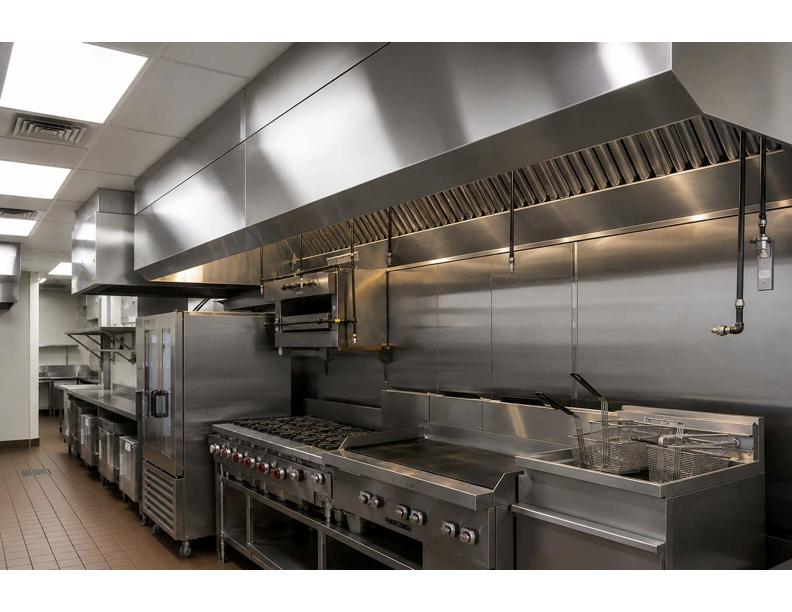
Walk into any busy commercial kitchen and you’ll notice two things right away: heat and smoke. Grills, fryers, charbroilers, and ranges generate grease-laden vapors that can quickly turn a kitchen into a safety hazard without proper ventilation. That’s where Type 1 kitchen ventilation systems come in.
These systems are one of the most important parts of a commercial kitchen’s safety and compliance setup. They help control grease, heat, smoke, and odors while reducing fire risk and improving air quality for staff and customers alike.
What Is a Type 1 Kitchen Ventilation System?
A Type 1 kitchen ventilation system is a commercial exhaust system designed specifically for cooking appliances that produce grease and smoke.
These systems are commonly installed above equipment such as:
- Deep fryers
- Griddles
- Charbroilers
- Woks
- Gas ranges
- Salamanders
- Conveyor ovens producing grease vapors
The main purpose of a Type 1 hood is to capture and remove grease-laden air before it spreads through the kitchen.
Unlike general ventilation systems, Type 1 systems are built with fire safety in mind. They include grease filters, ductwork, exhaust fans, and fire suppression components designed to handle combustible cooking byproducts.
How Type 1 Systems Work
A Type 1 ventilation system works by creating negative pressure above cooking equipment.
Here’s the basic process:
- The hood captures smoke and grease vapors
As cooking equipment operates, hot air rises into the hood canopy. - Grease filters trap airborne grease particles
Baffle filters separate grease from the airflow to reduce buildup inside the ducts. - Exhaust fans remove contaminated air
The system pulls the air through ductwork and exhausts it outside the building. - Makeup air replaces exhausted air
Fresh air is introduced back into the kitchen to maintain balanced airflow and comfortable working conditions.
Without proper makeup air, kitchens can experience pressure issues that affect HVAC performance, door operation, and cooking equipment efficiency.
Type 1 vs. Type 2 Hoods
Many people confuse Type 1 and Type 2 kitchen hoods, but they serve different purposes.
Type 1 Hood
Designed for grease-producing appliances.
Handles:
- Smoke
- Grease vapors
- Heat
- Combustible particles
Requires:
- Fire suppression systems
- Grease-rated ductwork
- Specialized filtration
Type 2 Hood
Designed for appliances that produce only heat, steam, or moisture.
Typically used above:
- Dishwashers
- Pasta cookers
- Ovens without grease production
Does not require grease filtration or fire suppression in most cases.
If your kitchen equipment produces grease-laden vapors, a Type 1 hood is generally required by code.
Key Components of a Type 1 Ventilation System
A complete Type 1 system includes several critical components working together.
Hood Canopy
The hood canopy sits directly above cooking appliances and captures rising heat and contaminants. Hood size and placement are essential for proper airflow and code compliance.
Grease Filters
Most systems use stainless steel baffle filters that trap grease while allowing air to pass through. These filters must be cleaned regularly to prevent fire hazards.
Exhaust Ductwork
Type 1 ductwork is specially designed to handle grease accumulation and high temperatures. It must meet strict fire-resistance requirements.
Exhaust Fan
The exhaust fan pulls contaminated air through the system and expels it outdoors. Roof-mounted upblast fans are common in commercial kitchens.
Makeup Air Unit
Because the system removes large amounts of air, makeup air units introduce fresh conditioned air back into the building.
Fire Suppression System
Most Type 1 systems include automatic fire suppression systems that activate if a fire is detected in the cooking area.
Why Type 1 Ventilation Matters
Fire Safety
Grease buildup is highly flammable. Proper ventilation reduces the chance of grease fires spreading through ductwork and exhaust systems.
Code Compliance
Commercial kitchens must comply with local building codes and fire regulations, including standards from organizations like the National Fire Protection Association and local health departments.
Failure to install compliant ventilation systems can lead to failed inspections, fines, or shutdowns.
Better Air Quality
A properly designed system improves indoor air quality by removing smoke, heat, and airborne grease particles.
This creates a safer and more comfortable environment for kitchen staff.
Equipment Performance
Excess heat can strain refrigeration systems and HVAC equipment. Good ventilation helps maintain stable kitchen temperatures and improves overall efficiency.
Common Design Considerations
Designing a Type 1 ventilation system isn’t just about installing a hood above cooking equipment.
Several factors affect system performance:
- Cooking equipment type
- Heat load
- Hood dimensions
- Airflow rates
- Duct routing
- Fan sizing
- Noise levels
- Energy efficiency
- Local code requirements
Undersized systems may fail inspections or struggle to remove contaminants effectively. Oversized systems can waste energy and increase operating costs.
That’s why commercial kitchen ventilation design should be handled by experienced HVAC and mechanical professionals.
Maintenance Requirements
Even the best Type 1 system needs regular maintenance.
Key maintenance tasks include:
- Cleaning grease filters
- Inspecting ductwork
- Servicing exhaust fans
- Testing fire suppression systems
- Checking airflow balance
- Removing grease buildup
Routine cleaning is especially important because grease accumulation is one of the leading causes of commercial kitchen fires.
Many jurisdictions require professional hood and duct cleaning on a scheduled basis.
Final Thoughts
Type 1 kitchen ventilation systems are essential for commercial kitchens that produce grease and smoke. They play a critical role in fire prevention, employee safety, code compliance, and overall kitchen performance.
Whether you’re opening a new restaurant, renovating an existing kitchen, or upgrading old equipment, investing in a properly designed Type 1 ventilation system is not optional. It’s a core part of running a safe and efficient foodservice operation.
A well-designed system protects your staff, your customers, and your business while helping your kitchen operate smoothly day after day.