
Every year on May 5, people across the United States celebrate Cinco de Mayo with tacos, music, parades, and parties. But despite its popularity, many people are surprised to learn that Cinco de Mayo is not Mexico’s Independence Day.
So what does the holiday actually commemorate?
Cinco de Mayo marks Mexico’s victory over France at the Battle of Puebla on May 5, 1862. While the battle did not end the war, it became a powerful symbol of resistance, resilience, and national pride.
The History Behind Cinco de Mayo
In the early 1860s, Mexico was struggling financially after years of internal conflict. The country owed money to several European nations, including France. When Mexico paused debt payments, France, under Emperor Napoleon III, used the opportunity to invade.
French forces were considered one of the strongest military powers in the world at the time. Their goal was not just to collect debts but also to establish French influence in Mexico.
On May 5, 1862, near the city of Puebla, a much smaller and poorly equipped Mexican army faced the French troops. Led by General Ignacio Zaragoza, the Mexican forces achieved an unexpected victory.
The win boosted morale across Mexico and became a lasting reminder that determination can overcome overwhelming odds.
Is Cinco de Mayo a Major Holiday in Mexico?
Contrary to popular belief, Cinco de Mayo is not widely celebrated across all of Mexico. It is observed most strongly in the state of Puebla, where the battle took place.
Mexico’s Independence Day is actually celebrated on September 16. That holiday marks the beginning of Mexico’s fight for independence from Spain in 1810.
In the United States, however, Cinco de Mayo evolved into a broader celebration of Mexican culture and heritage, especially in communities with strong Mexican-American roots.
How Cinco de Mayo Became Popular in the United States
Cinco de Mayo gained momentum in the U.S. during the 20th century, particularly during the Chicano civil rights movement of the 1960s and 1970s. The holiday became a way to celebrate Mexican identity, cultural pride, and community.
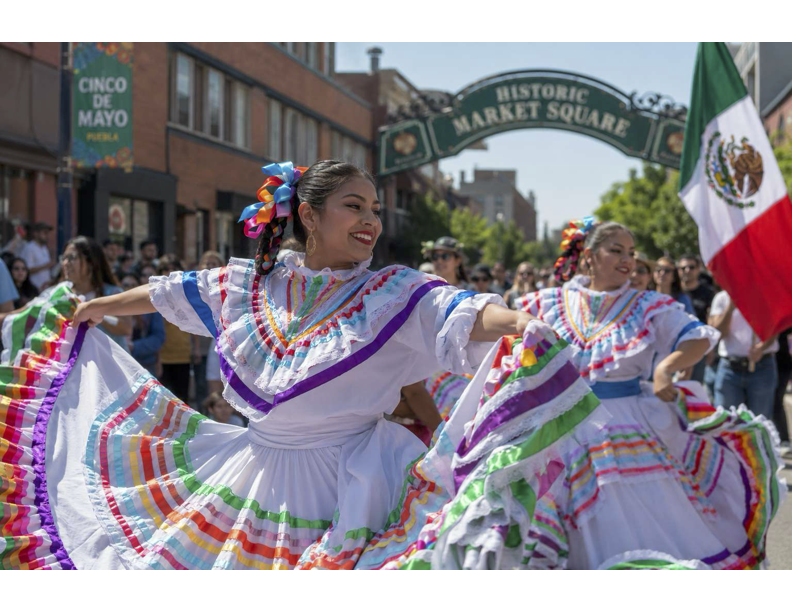
Today, cities like Los Angeles, Chicago, and San Antonio host large festivals featuring traditional music, folklórico dancing, local food, and family-friendly events.
While commercial promotions often focus heavily on food and drinks, many communities also use the holiday as an opportunity to educate people about Mexican history and traditions.
Traditional Cinco de Mayo Celebrations
Celebrations can vary depending on the region, but common traditions include:
- Parades and reenactments of the Battle of Puebla
- Mariachi performances and live music
- Traditional Mexican dishes such as mole poblano, tamales, and tacos
- Folk dancing and cultural festivals
- Community gatherings and educational events
One dish closely associated with Puebla is Mole poblano, a rich sauce made with ingredients like chili peppers, spices, nuts, and chocolate.
Why Understanding the Holiday Matters
Cinco de Mayo is often misunderstood or reduced to a marketing event. Learning the real history behind it helps preserve the meaning of the holiday and shows respect for the culture it represents.
At its core, Cinco de Mayo is about perseverance, identity, and pride in heritage. It reflects a moment when people facing difficult circumstances came together and achieved something remarkable.
Whether someone celebrates with a parade, a family meal, or simply by learning more about Mexican history, the holiday offers a chance to appreciate the culture and historical significance behind the festivities.
Final Thoughts
Cinco de Mayo is more than a day for parties and promotions. It commemorates a historic underdog victory and has grown into a broader celebration of Mexican culture, especially in the United States.
Understanding the story behind the holiday adds depth to the celebration and helps keep its history alive for future generations.