Energy efficiency isn’t just a cost-saving tactic—it’s a competitive advantage for modern commercial kitchens. With rising utility costs and tighter environmental expectations, kitchens that optimize energy use can significantly improve their bottom line while maintaining high performance.
Why Energy Efficiency Matters
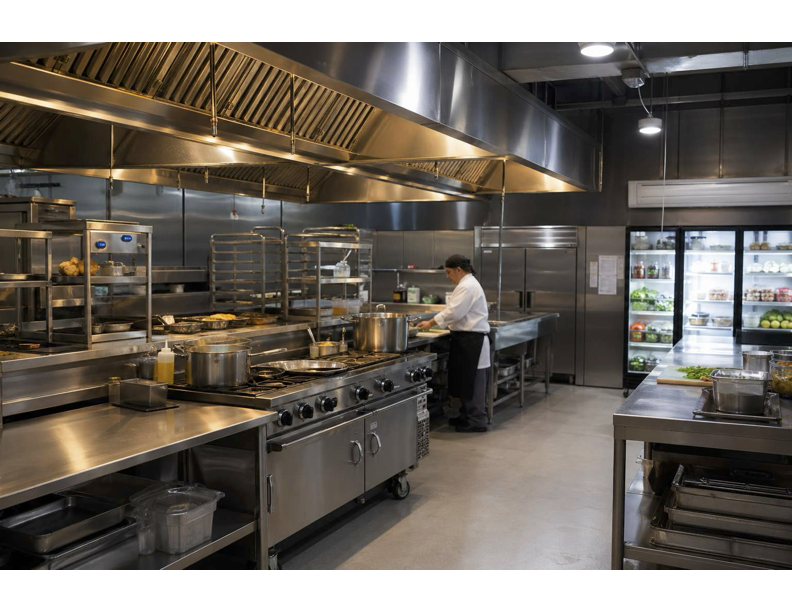
Commercial kitchens are among the most energy-intensive spaces in any building. Cooking equipment, ventilation systems, refrigeration, and lighting all run for long hours. Small inefficiencies multiply quickly into major expenses.
Improving efficiency helps you:
- Lower utility bills
- Extend equipment lifespan
- Reduce heat load (more comfortable workspace)
- Support sustainability goals
High-Impact Areas to Optimize
1. Cooking Equipment
Choose high-efficiency appliances such as ENERGY STAR-rated ovens, fryers, and griddles. These units transfer more heat into food rather than wasting it into the air.
2. Ventilation Systems
Kitchen hoods and exhaust fans consume a lot of energy. Installing demand-controlled ventilation (DCV) allows fan speeds to adjust based on cooking activity, reducing unnecessary airflow.
3. Refrigeration
Walk-ins and reach-ins run 24/7. Proper sealing, regular maintenance, and efficient compressors can dramatically cut energy use.
4. Lighting
Switching to LED lighting reduces electricity consumption and lowers heat output, easing the burden on HVAC systems.
Smart Design Strategies
- Right-size equipment: Oversized appliances waste energy
- Optimize layout: Reduce unnecessary movement and idle equipment time
- Heat recovery systems: Capture waste heat for reuse
- Insulation: Maintain stable temperatures in cooking and storage areas
Operational Best Practices
Even the best equipment won’t save energy without proper use.
- Turn off idle equipment during slow periods
- Schedule preventative maintenance
- Train staff on energy-conscious habits
- Monitor usage with smart meters or kitchen management systems
ROI and Long-Term Benefits
While energy-efficient upgrades may require upfront investment, the return is typically fast. Lower monthly costs, fewer repairs, and improved kitchen performance quickly offset initial expenses.
In many cases, local utilities and government programs also offer rebates for upgrading to efficient systems.
Final Thought
Energy efficiency in commercial kitchens isn’t about cutting corners—it’s about working smarter. A well-optimized kitchen runs cleaner, cooler, and more profitably.
If you’re already investing in equipment or redesigning your kitchen, efficiency should be part of every decision.