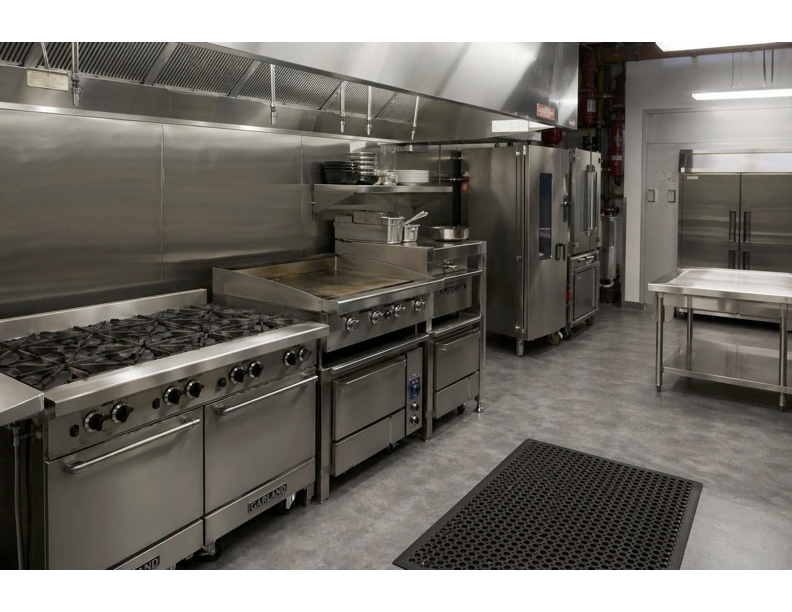
A commercial kitchen runs on more than skill and good recipes. The equipment you choose shapes how fast your team works, how consistent your food is, and how much you spend over time. Get it right, and service flows. Get it wrong, and even simple dishes become a struggle.
This guide breaks down the core types of commercial cooking equipment and what to consider before buying.
Why Equipment Matters More Than You Think
In a home kitchen, you can work around limitations. In a commercial setting, you can’t. Equipment needs to handle volume, stay reliable under pressure, and meet safety standards.
Think about a busy lunch rush. If your range can’t recover heat quickly or your oven cooks unevenly, delays stack up. That affects customer experience and revenue.
The Core Categories of Cooking Equipment
Most commercial kitchens rely on a mix of these essentials:
1. Ranges and Ovens
These are the backbone of most kitchens.
- Gas ranges heat quickly and give better control.
- Electric ranges are easier to clean and install.
- Convection ovens cook evenly and faster by circulating hot air.
- Combi ovens combine steam and dry heat, which is useful for precision cooking.
If your menu is broad, flexibility matters more than anything here.
2. Grills and Griddles
Perfect for high-volume cooking.
- Flat-top griddles are ideal for breakfast items, burgers, and sandwiches.
- Charbroilers add that flame-grilled flavor customers expect from steaks or grilled chicken.
They’re simple, but they take a beating, so durability is key.
3. Fryers
Essential for many menus, especially in fast-casual and quick-service restaurants.
- Deep fryers come in gas and electric models.
- Look for features like oil filtration systems to extend oil life and save money.
Consistency is everything here. A good fryer keeps temperatures steady even during rush hours.
4. Steamers
Often overlooked, but incredibly useful.
- Great for vegetables, seafood, rice, and even dumplings.
- Helps maintain nutrients and reduces the need for added fats.
They’re especially valuable in health-focused kitchens.
5. Specialty Equipment
Depending on your concept, you might need:
- Pizza ovens
- Salamanders for finishing dishes
- Induction cooktops for precise heat control
- Woks for high-heat, fast cooking
Only invest in these if they directly support your menu. Otherwise, they take up space and budget.
Key Factors to Consider Before Buying
1. Menu First, Always
Your equipment should match your menu, not the other way around. A steakhouse has very different needs than a bakery or a café.
2. Kitchen Space
Measure everything. Then measure again. Equipment that looks fine on paper can overwhelm a tight kitchen.
3. Energy Efficiency
Energy-efficient models cost more upfront but save money over time. In a commercial kitchen, that adds up fast.
4. Ease of Cleaning
If it’s hard to clean, it won’t get cleaned properly during busy shifts. That leads to hygiene issues and equipment wear.
5. Durability and Service
Look for brands with good service networks. When something breaks, you need it fixed quickly.
New vs. Used Equipment
- New equipment gives you warranties and the latest features.
- Used equipment can save money but carries risk.
A smart approach is to buy critical equipment new and consider used for lower-risk items.
Final Thoughts
Commercial kitchen equipment isn’t just a purchase. It’s an investment in how your kitchen runs every day. Focus on reliability, fit for your menu, and long-term cost rather than just the upfront price.
If you’re planning a new kitchen or upgrading an existing one, start with how you want your team to work. The right equipment should make their job easier, not harder.