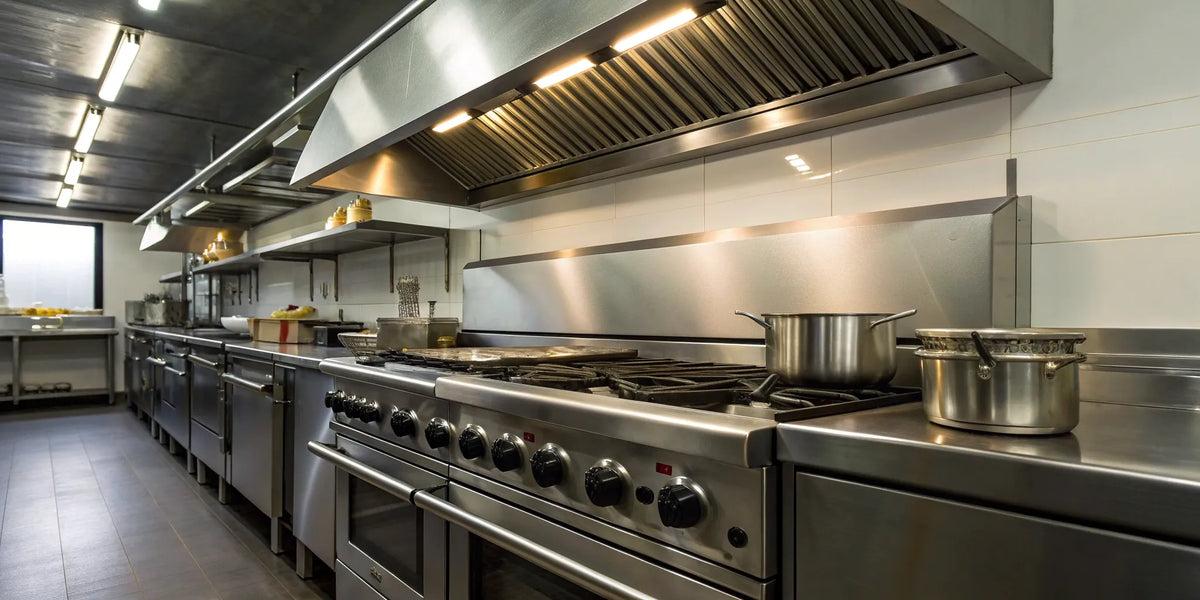
Commercial kitchens run on speed, precision, and consistency. But behind every smooth service is something less glamorous and often overlooked: equipment maintenance. When it’s done right, no one notices. When it’s ignored, everything slows down or stops.
Here’s what good maintenance actually looks like in a busy kitchen and why it matters more than most teams think.
Why Maintenance Isn’t Optional
Every piece of equipment in a commercial kitchen takes a beating. Ovens run for hours, fryers stay hot all day, refrigerators open and close constantly. Over time, even the best equipment starts to wear down.
Skipping maintenance doesn’t save time or money. It usually does the opposite.
A poorly maintained kitchen can lead to:
- Unexpected breakdowns during service
- Higher energy bills from inefficient machines
- Food safety risks
- Shorter equipment lifespan
- Costly emergency repairs
On the flip side, consistent maintenance keeps everything predictable. And in a kitchen, predictability is gold.
The Equipment That Needs the Most Attention
Not all equipment requires the same level of care. Some items demand daily attention, while others need periodic checks.
Cooking Equipment
Ranges, ovens, fryers, and grills are the hardest-working tools in the kitchen.
Common issues:
- Grease buildup affecting performance
- Uneven heating
- Clogged burners
Daily cleaning is critical here, not just for performance but also for fire safety.
Refrigeration Units
Walk-ins, reach-ins, and prep coolers keep food safe, so they can’t be neglected.
Watch for:
- Temperature inconsistencies
- Dirty condenser coils
- Worn door seals
Even a small temperature fluctuation can lead to food spoilage or safety violations.
Dishwashing Equipment
Dishwashers handle constant loads and high heat.
Common problems:
- Mineral buildup from hard water
- Blocked spray arms
- Dirty filters
If these machines fail, the entire kitchen backs up fast.
Building a Simple Maintenance Routine
Maintenance doesn’t need to be complicated, but it does need to be consistent.
Start with three levels:
Daily Tasks
Keep these quick and non-negotiable:
- Wipe down surfaces and remove grease
- Empty and clean filters
- Check temperatures on refrigeration
- Inspect for obvious damage or leaks
These take minutes but prevent bigger issues.
Weekly Checks
This is where you catch early warning signs:
- Deep clean cooking equipment
- Inspect gas connections and hoses
- Clean condenser coils (if accessible)
- Run deliming cycles on dishwashers
Assign these tasks to specific team members so nothing slips.
Monthly or Scheduled Service
Some maintenance requires a professional:
- Full equipment inspections
- Calibration of thermostats
- Electrical and gas system checks
- Preventive servicing contracts
Paying for routine service is almost always cheaper than emergency repairs.
Training Staff Makes the Difference
You don’t need a technician on every shift, but you do need a team that knows what to look for.
Train staff to:
- Recognize unusual sounds or smells
- Report issues immediately
- Follow cleaning procedures correctly
A line cook noticing a weak flame or a warmer fridge can prevent a major failure later.
The Cost of Ignoring Maintenance
It’s easy to delay maintenance when the kitchen is busy. But problems compound quietly.
A neglected fryer might just seem slower at first. Then it overheats. Then it fails during peak service. Now you’re dealing with lost orders, frustrated customers, and a repair bill.
That’s the real cost: not just money, but disruption.
Final Thoughts
Equipment maintenance isn’t exciting, but it’s one of the most important habits in a commercial kitchen. It protects your investment, keeps your team efficient, and ensures food safety stays intact.
The kitchens that run the best aren’t just well-staffed or well-designed. They’re well-maintained.
And that’s something every operation can control.