Walk into a busy commercial kitchen and you’ll feel it immediately. Heat. Noise. Air moving fast. Exhaust hoods pulling smoke and grease out. Supply fans pushing fresh air back in.
All of that airflow keeps the space safe and compliant, but it also consumes a massive amount of energy.
That’s where Energy Logic Control Panels come in.
They act as the brain of a commercial kitchen ventilation system, making sure fans don’t run harder than they need to. The result is lower utility bills, better comfort, and smarter operation.
Let’s break down how they work and why they matter.
What Is an Energy Logic Control Panel?
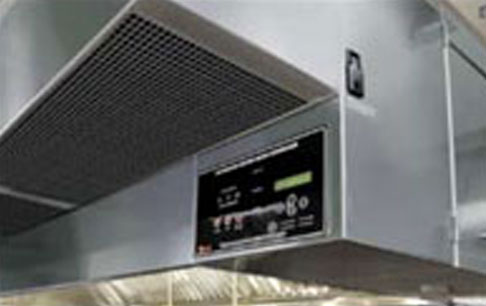
An Energy Logic Control Panel is a centralized control system that manages kitchen exhaust and supply fans based on real-time cooking activity.
Instead of running ventilation at 100 percent all day, the system adjusts fan speeds automatically. When cooking demand increases, airflow ramps up. When activity slows, airflow drops.
Think of it like cruise control for your kitchen ventilation.
It constantly balances three things:
-
Safety
-
Air quality
-
Energy efficiency
Why Traditional Ventilation Systems Waste Energy
In many older commercial kitchens, ventilation systems run at full speed from open to close. It doesn’t matter if the grill is cold at 10 a.m. or every burner is firing during lunch rush. The fans run the same.
That creates several problems:
-
High electrical consumption from large exhaust and supply fans
-
Higher HVAC costs because conditioned air is constantly being exhausted
-
Excessive noise in the kitchen
-
Unnecessary wear and tear on motors and belts
For large facilities like hotels, hospitals, universities, or chain restaurants, this adds up fast.
How Energy Logic Control Panels Work
Most Energy Logic systems are part of a demand control kitchen ventilation strategy.
Here’s how the process typically works:
1. Sensors Monitor Cooking Activity
Temperature sensors and optic sensors are installed in the hood. They detect heat and smoke levels coming off cooking equipment.
When activity increases, the system responds.
2. Variable Frequency Drives Adjust Fan Speed
The control panel communicates with Variable Frequency Drives (VFDs). These drives adjust the speed of the exhaust and supply fans.
Fan speed increases only when needed.
3. Balanced Airflow Is Maintained
The system ensures that exhaust and supply air stay balanced. That helps maintain proper building pressure and prevents issues like:
-
Doors slamming
-
Drafts in dining areas
-
Backflow of odors
4. Continuous Monitoring
The control panel logs performance data and can integrate with a building management system (BMS). Facility managers can monitor airflow, energy savings, and system status in real time.
Key Benefits for Commercial Kitchens
Energy Savings
Fan energy use drops significantly because of the cube law of fan operation. Reducing fan speed by 20 percent can cut energy use by nearly 50 percent.
That’s real money saved every month.
Lower HVAC Costs
When less conditioned air is exhausted, the HVAC system doesn’t have to work as hard to heat or cool incoming air.
This often creates savings that exceed the fan energy reduction alone.
Extended Equipment Life
Motors, belts, and bearings last longer when they don’t run at full speed constantly. That means fewer breakdowns and lower maintenance costs.
Quieter Work Environment
Slower fans mean less noise. Kitchens become more comfortable for staff, which can improve communication and reduce fatigue.
Improved Sustainability
For organizations pursuing energy certifications or sustainability goals, demand-based ventilation contributes to reduced carbon emissions and improved efficiency metrics.
Where Energy Logic Control Panels Make the Most Impact
While any commercial kitchen can benefit, the impact is especially strong in:
-
Hotels with multiple kitchens
-
Hospitals operating 24/7
-
University dining halls
-
Corporate campuses
-
Large quick-service restaurant chains
Facilities with long operating hours and variable cooking demand see the greatest return on investment.
Integration With Fire and Safety Systems
One common question is whether reducing airflow affects fire safety.
Properly designed Energy Logic systems integrate with fire suppression systems. If a fire event occurs, the control panel overrides energy-saving mode and drives fans to full speed.
Safety always comes first.
Installation Considerations
Before installing an Energy Logic Control Panel, consider:
-
Existing hood design
-
Fan compatibility with VFDs
-
Electrical infrastructure
-
Local mechanical codes
-
Integration with building automation
A qualified mechanical contractor or controls specialist should assess the system to ensure compliance and optimal performance.
The Bigger Picture
Energy costs continue to rise. Labor costs are climbing. Sustainability reporting is becoming more common.
Commercial kitchens can no longer afford to waste energy through outdated ventilation strategies.
Energy Logic Control Panels offer a practical solution. They don’t change how chefs cook or how kitchens operate. They simply make the ventilation system smarter.
In a space where heat and motion never stop, intelligent airflow control makes a measurable difference.
And over time, that difference shows up clearly on the utility bill.