
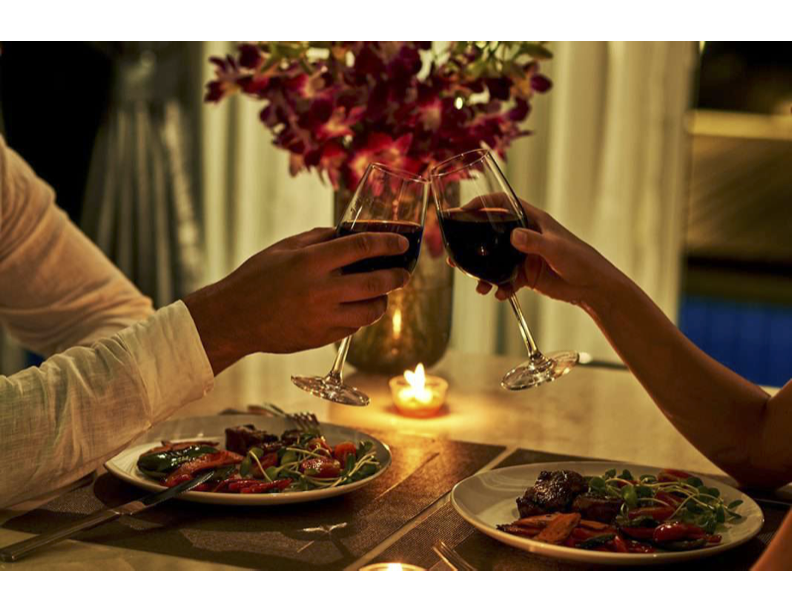
Every year on February 14, the restaurant industry holds its breath.
Valentine’s Day isn’t just another holiday. For many restaurants, it’s one of the highest-grossing days of the entire year. In some cities, it rivals Mother’s Day and New Year’s Eve. For independent operators especially, a strong Valentine’s weekend can help carry slower months like January and early February.
But the pressure that comes with that opportunity is real.
Why Valentine’s Day Matters So Much
Valentine’s Day is built around an experience: going out to eat. Unlike holidays that center on gifts or travel, February 14 is about shared time. And for many couples, that means a dinner reservation.
A few reasons it’s such a big deal for restaurants:
-
Predictable demand. Most reservations are booked weeks in advance.
-
Higher check averages. Guests are more likely to order appetizers, dessert, wine, and cocktails.
-
Special menus. Prix fixe offerings simplify operations and raise per-guest revenue.
-
Repeat potential. A good experience can turn first-time visitors into regulars.
For fine dining restaurants, this is often a signature night. For mid-range and neighborhood spots, it’s a chance to position themselves as a romantic, memorable destination.
The Business Strategy Behind the Romance
From the outside, Valentine’s Day looks like candlelight and champagne. Behind the scenes, it’s careful planning.
Many restaurants offer a prix fixe menu with two or three courses. This helps in several ways:
-
Controls food costs
-
Streamlines the kitchen during peak hours
-
Speeds up table turns without feeling rushed
-
Reduces decision fatigue for guests
Some restaurants create multiple seating times, like 5:30 p.m. and 8:00 p.m., to maximize capacity. Others extend the celebration to a full weekend, especially when February 14 falls midweek.
Marketing also ramps up. Email campaigns, social media posts, and online reservation reminders start as early as mid-January. The goal is simple: secure bookings before competitors do.
The Operational Reality
For staff, Valentine’s Day is intense.
Front-of-house teams are trained to handle high expectations. Guests are often celebrating milestones: proposals, anniversaries, first dates. Emotions run high. Small mistakes feel bigger.
Back-of-house teams face tight timing and complex plating at scale. If the menu includes filet mignon, lobster, or delicate desserts, execution has to be consistent across dozens or hundreds of plates.
Staffing is critical. No-shows hurt more on this night. So do last-minute call-outs.
And then there’s the human factor. When every table is a two-top, revenue per table matters. When one couple lingers too long, the entire seating schedule can fall behind.
The Risk Factor
Valentine’s Day is not guaranteed success.
If a restaurant overbooks, service can collapse. If the food feels rushed or generic, guests may leave disappointed. Online reviews posted the next morning can carry long-term consequences.
There’s also the risk of relying too heavily on one night. Smart operators treat Valentine’s Day as part of a broader strategy, not a single financial rescue plan.
Trends Shaping Valentine’s Day Dining
The holiday continues to evolve. A few recent trends include:
-
Experiential add-ons: wine pairings, live music, tasting menus.
-
Galentine’s celebrations: groups of friends dining together.
-
Take-home romance kits: meal packages for couples who prefer staying in.
-
Earlier dining times: especially among younger diners who prefer flexibility.
Restaurants that adapt tend to win. The traditional candlelit dinner still works, but creativity helps restaurants stand out in crowded markets.
More Than Just a Holiday
For many in the industry, Valentine’s Day is emotional. It’s exhausting, but it can also be energizing. There’s something meaningful about being part of someone’s proposal story or anniversary tradition.
At its best, the night reminds restaurant teams why they do this work. Hospitality isn’t just about food. It’s about moments.
When the last couple leaves and the candles burn low, there’s relief. There’s cleanup. There’s counting receipts and reviewing numbers.
And if things went well, there’s quiet satisfaction.
Because in the restaurant industry, Valentine’s Day isn’t just about love.
It’s about survival, strategy, and delivering an experience that people will remember long after February 14 has passed.