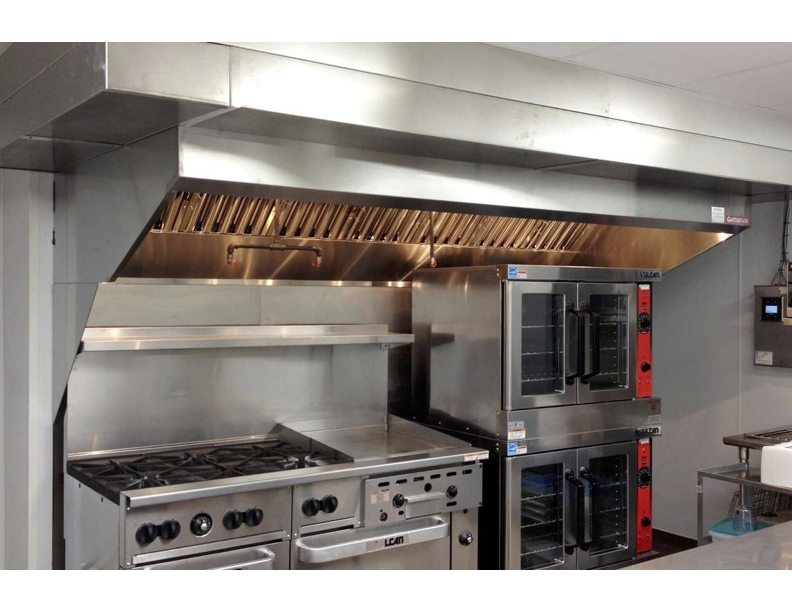
If a commercial kitchen feels hot, smoky, or uncomfortable, the issue often isn’t the cooking equipment. It’s the airflow.
Ventilation systems are supposed to move heat, grease, smoke, and odors out of the kitchen while bringing fresh air back in. When airflow is off, everything else suffers. Food quality drops, staff get frustrated, and safety risks increase.
Below are the most common airflow problems in commercial kitchen ventilation systems, why they happen, and the warning signs you shouldn’t ignore.
1. Inadequate Exhaust Airflow
The most common problem is simple: the hood isn’t pulling enough air.
This usually happens when the exhaust fan is undersized, poorly maintained, or clogged with grease. Over time, grease buildup restricts airflow, even if the fan itself is still running.
Signs to watch for:
-
Smoke spilling out from under the hood
-
Grease residue on nearby walls or ceilings
-
Strong cooking odors lingering after service
-
Heat building up during peak hours
If the hood can’t capture and contain contaminants, they spread through the kitchen instead of exiting the building.
2. Poor Makeup Air Balance
Every cubic foot of air exhausted must be replaced. When makeup air is missing or improperly balanced, the kitchen goes into negative pressure.
That imbalance creates a chain reaction.
Doors become hard to open, air gets pulled in from unwanted places, and the hood loses effectiveness because it’s fighting against pressure instead of guiding airflow.
Common causes include:
-
Makeup air units that are undersized or turned down to save energy
-
Blocked or poorly located air diffusers
-
Systems added over time without rebalancing the airflow
A kitchen with bad makeup air feels stuffy, drafty, or both at the same time.
3. Short-Circuiting Airflow
Short-circuiting happens when makeup air enters too close to the exhaust hood and gets pulled out before it can do any good.
Instead of sweeping heat and smoke toward the hood, fresh air takes the shortest path straight out.
Results of short-circuiting:
-
Hot air lingering around cooks
-
Smoke escaping the hood capture zone
-
Higher energy costs with no comfort benefit
Air should flow through the cooking zone, not around it.
4. Grease Buildup in Ductwork
Even when airflow is designed correctly, grease accumulation can quietly destroy performance.
Grease coats duct walls, dampers, and fans, increasing resistance and reducing actual airflow. In severe cases, it also becomes a fire hazard.
Red flags include:
-
Exhaust fans that sound louder than normal
-
Reduced airflow despite running at full speed
-
Grease dripping from seams or access panels
Regular cleaning isn’t just about fire code compliance. It directly affects how well air moves through the system.
5. Equipment Changes Without Ventilation Updates
Kitchens evolve. Menus change. New equipment gets added.
Ventilation systems often don’t.
Adding a higher-BTU appliance or rearranging cooklines without adjusting airflow throws off the original design. The hood that worked fine five years ago may no longer be adequate today.
If airflow problems started after a remodel or menu change, this is often the reason.
Why Airflow Problems Matter
Poor airflow isn’t just uncomfortable. It affects:
-
Employee health and morale
-
Fire safety and grease containment
-
HVAC performance in adjacent spaces
-
Energy use and operating costs
-
Inspection results and compliance
Ignoring airflow issues usually means paying for them later in repairs, staff turnover, or downtime.
When to Bring in a Professional
If you notice persistent smoke, heat, or pressure issues, guessing won’t fix it.
An airflow test or ventilation balance check can identify whether the issue is exhaust capacity, makeup air, duct restriction, or layout. Fixing the root cause is almost always cheaper than replacing equipment that isn’t actually broken.