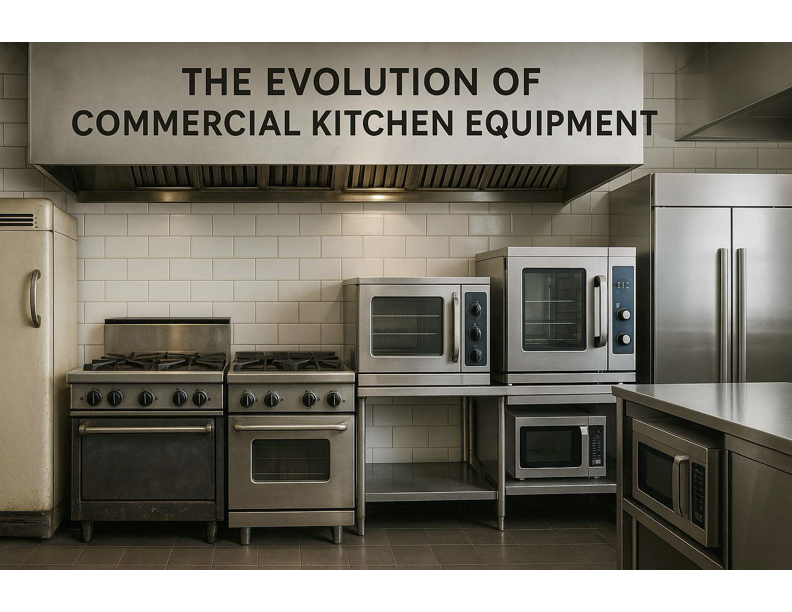
Walk into most new restaurants, bakeries, or food-production spaces and you’ll notice something right away: the gear is getting bigger, smarter, and tougher. Commercial kitchens have always relied on heavy-duty equipment, but the last decade has pushed that idea much further. Industrial-grade tools that once belonged only in large factories are now showing up in everyday food service.
Why the shift?
A few things are driving it:
1. Consistency matters more than ever.
Restaurants are under pressure to deliver the same quality every time, even with fast turnover in staff. Industrial mixers, combi ovens, and high-capacity refrigeration take guesswork out of the job. A programmable oven that records cooking cycles, for example, lets anyone replicate a signature dish with almost no variation.
2. Higher volume is the new normal.
Delivery and catering have changed how kitchens operate. A small shop might produce triple the meals it did ten years ago. Industrial equipment helps keep pace. Dough mixers that handle 60 pounds at a time or blast chillers that cool trays in minutes are becoming standard, not luxury.
3. Efficiency cuts costs.
Energy-efficient ovens, induction cooklines, and automated washing systems reduce utilities and labor. A single industrial dishwasher can replace hours of manual washing and uses far less water. For many operators, these savings justify the large upfront investment.
4. Technology is creeping into every corner.
Sensors, timers, connectivity, and data tracking used to feel out of place in a kitchen. Now they’re normal. Some fryers adjust temperature based on food load. Refrigerators send alerts when doors are left open. Managers can monitor equipment from a phone. These features keep food safer and reduce downtime from surprise failures.
How this changes the kitchen environment
The move toward industrial equipment is reshaping daily work:
-
Staff training looks different. New hires need to learn how to operate complex controls, not just turn knobs.
-
Layouts are tighter and more intentional. Bigger machines require smarter floor planning. Operators are designing kitchens around workflow instead of squeezing in appliances wherever they fit.
-
Maintenance becomes a priority. Industrial machines last longer, but they expect routine care. Many kitchens now schedule preventive maintenance the same way they schedule staff shifts.
What this means for the future
We’ll likely see more automation in prep work, more hybrid equipment that does several jobs at once, and a stronger push toward energy savings. Smaller restaurants will adopt tools once reserved for large-scale production. And as margins stay tight, anything that boosts reliability and speed will win.
Industrial equipment isn’t replacing the craft of cooking, but it is changing the foundation kitchens operate on. It lets teams focus on creativity while the machines handle the heavy lifting. For many operators, that balance is exactly what keeps them competitive.