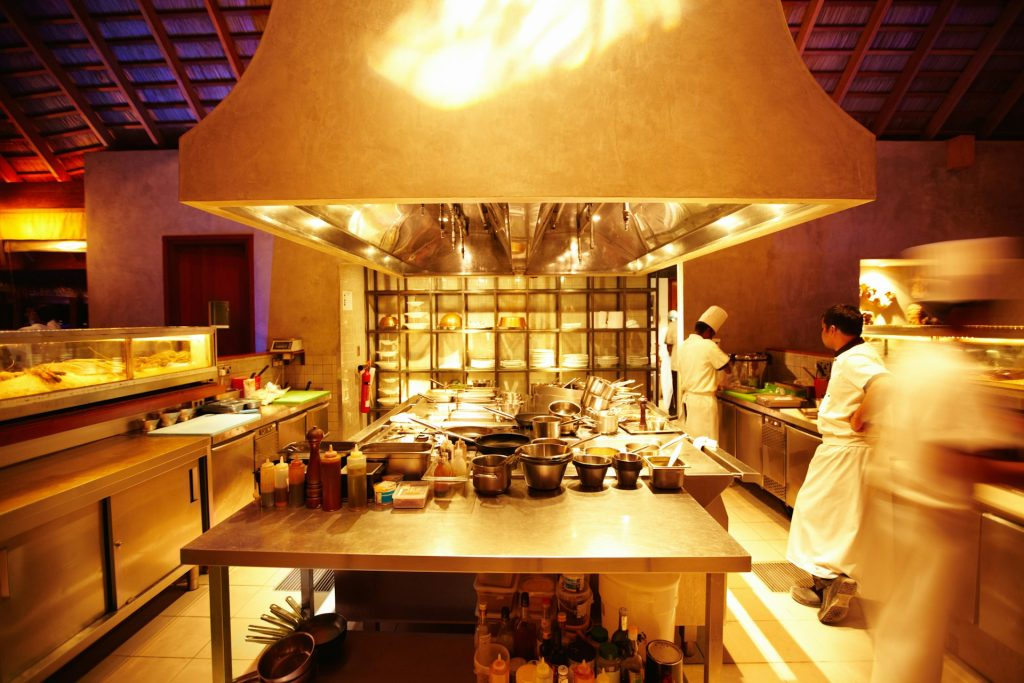
A busy kitchen is always warm, but when the heat climbs past “uncomfortable” and into “unsafe,” you have a serious problem. Excessive heat slows your team, stresses equipment, hurts morale, and increases the risk of accidents. It also pushes staff turnover higher, because no one wants to work in an environment that drains them before the first rush even hits.
Here is what drives heat levels up and what you can do about it.
Why Commercial Kitchens Overheat
1. Heavy equipment running nonstop
Ovens, fryers, steamers, and dish machines all pump out heat hour after hour. When the line is stacked, they rarely get a break. Even well maintained units radiate more warmth than most people realize.
2. Poor ventilation
If the hood system cannot pull out hot air fast enough, the heat lingers and builds. Undersized hoods, blocked filters, and weak make up air systems turn a tough shift into a brutal one.
3. Tight layouts
Many kitchens squeeze staff and equipment into small footprints. When cooks stand shoulder to shoulder with a fryer and a grill, the heat has nowhere to go.
4. High ambient temperatures
Summer weather, old buildings, and weak HVAC systems compound everything. If the dining room is barely cool, the kitchen is usually much worse.
Why It Matters
Heat drains energy
Fatigue creeps in faster when the temperature climbs. Concentration drops. Small mistakes turn into big problems, from uneven cooking to burn injuries.
Heat increases health risks
Dehydration and heat exhaustion can hit quickly. In extreme cases you risk heat stroke. A kitchen should never push workers to that point.
Heat drives staff away
Cooks talk. A hot kitchen gets a reputation, and recruiting becomes harder. Keeping good people is easier when the workspace is safe and sustainable.
What You Can Do
Improve airflow
Start with the hood. Clean the filters, confirm the fan is working at full capacity, and check that the make up air is balanced. If the system is aging or undersized, upgrading is worth the investment.
Reposition equipment where possible
Even small layout changes can help. Creating a buffer between heat heavy appliances reduces the blast zone workers stand in.
Use heat shields and insulation
Modern equipment often includes better insulation than older units. If replacement is not in the budget, strategic shielding can still make a difference.
Maintain the HVAC system
Your air conditioning should not be an afterthought. When the dining room feels right, the kitchen still sits hotter, so the HVAC needs margin to support both.
Set hydration rules
Encourage water breaks. Keep cold water stations within easy reach. A kitchen that treats hydration like equipment maintenance avoids preventable injuries.
Adapt the schedule
Prep work that requires ovens or long cooking cycles can sometimes shift to cooler hours. Spreading heat intensive tasks makes the daily load easier.
Final Thought
Excessive heat in a commercial kitchen is not “part of the job.” It is a fixable hazard. When you address it head on, your team works better, stays healthier, and shows up with more energy. Cooler kitchens produce better food and better morale, and both are worth the effort.