If you run a commercial kitchen, your ventilation system is doing more than moving air. It’s catching, carrying, and (if not managed well) accumulating grease. And that’s a problem.
Grease buildup in ventilation systems isn’t just unsanitary — it’s a fire hazard, a health code violation waiting to happen, and a drag on system efficiency. So let’s get clear on what grease management really means and how to do it right.
Why Grease is a Big Deal
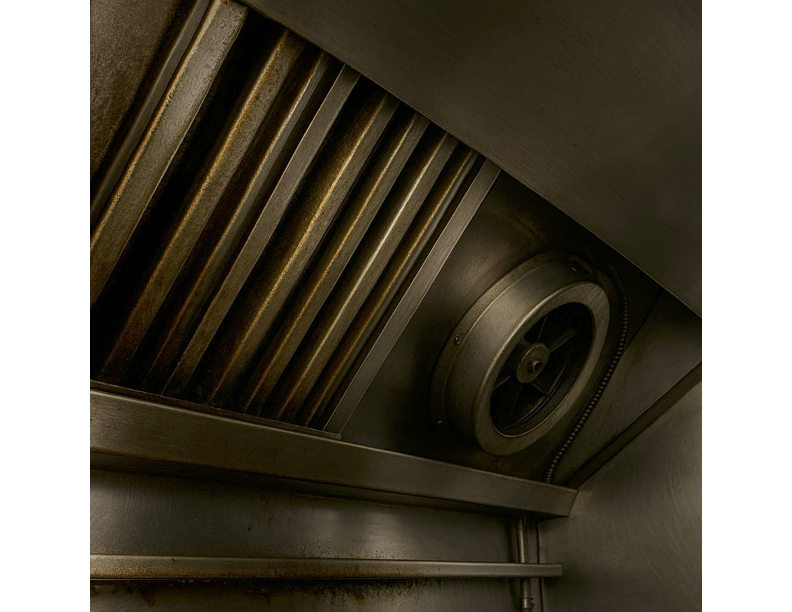
Cooking, especially with fryers, grills, and woks, produces airborne grease. That grease gets pulled up into the hood, through the ductwork, and out via the exhaust fan. Along the way, it sticks to surfaces.
Here’s what that leads to:
-
Fire Risk: Grease is highly flammable. If it ignites inside your ducts, you’re looking at a dangerous fire that spreads fast.
-
Blocked Airflow: Buildup chokes your ventilation system, making it work harder and less effectively.
-
Code Violations: Fire marshals and health inspectors don’t cut corners on this.
-
Higher Costs: More frequent breakdowns, higher energy use, and expensive emergency cleanings.
The Core Components of Grease Management
Effective grease management in commercial ventilation comes down to four key areas:
1. Capture
It starts at the hood. You need the right size and design for your cooking equipment. Most importantly, your grease filters (baffle filters or mesh filters) need to be high-quality and cleaned regularly — weekly, if not more often.
2. Contain
Drip trays and grease cups catch what the filters don’t. If these overflow or aren’t emptied, grease ends up where it shouldn't be — like on kitchen surfaces or inside the ducts.
3. Exhaust Duct Cleaning
NFPA 96 requires regular cleaning of your exhaust ductwork, from hood to fan. How often?
-
Monthly: High-volume kitchens (e.g., 24/7 fast food)
-
Quarterly: Medium-volume kitchens
-
Semi-annually or Annually: Low-volume or seasonal use
If you’re not sure, err on the side of caution — or hire a certified contractor to inspect and advise.
4. Fan Maintenance
The fan at the end of your duct system has to push out a lot — heat, smoke, moisture, and grease-laden air. Make sure it’s cleaned and balanced. Grease can cause corrosion, imbalance, and bearing failure.
Pro Tips for Staying Ahead
-
Install access panels in long duct runs for easier cleaning.
-
Use grease containment systems on rooftop fans to avoid staining and roof damage.
-
Keep logs of filter cleaning and duct maintenance. Inspectors love documentation.
-
Train staff on how to clean filters and check trays — it’s not just a janitor’s job.
Bottom Line
Grease doesn’t take care of itself. If you’re not actively managing it, it’s building up out of sight — and it will catch up with you. The good news? With the right setup and a consistent schedule, grease management becomes a smooth part of your kitchen operations.
Want a clean, safe kitchen? Then treat your ventilation system like the vital engine it is — and keep the grease where it belongs: out.