
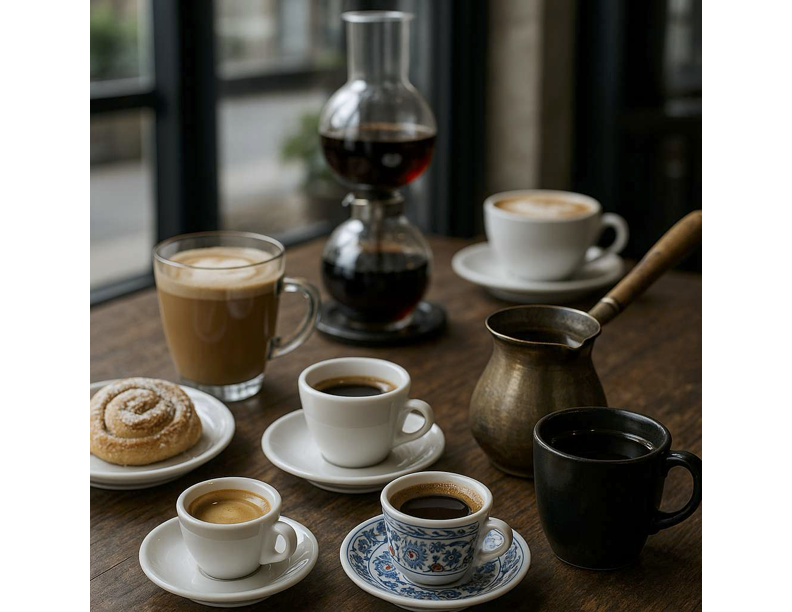
Coffee isn’t just a beverage. It’s a ritual, a habit, a signal to slow down—or speed up. Depending on where you are in the world, coffee means different things. Some drink it standing at a bar. Others take hours to sip and socialize. It's about more than caffeine; it's about culture.
Here’s a quick tour of how people experience coffee across the globe.
Italy: Fast, Strong, and Ritualized
In Italy, coffee is about precision and tradition. Locals rarely linger with a giant cup. Instead, they order an espresso, toss it back at the bar, and move on. Cappuccinos are strictly a morning thing—order one after noon and you might get a side-eye. The focus is on quality, not customization. No syrups. No whipped cream. Just pure, well-crafted coffee.
Key takeaway: Keep it simple, drink it fast, and know the rules.
Sweden: Fika and the Art of the Pause
In Sweden, coffee is about connection. “Fika” isn’t just a break—it’s a way of life. People pause their day to enjoy coffee and pastries with coworkers or friends. It's about balance and relationships, not just recharging. Sweden ranks among the top coffee consumers per capita, but the pace is calm, never rushed.
Key takeaway: Coffee is a reason to stop and connect.
Ethiopia: Coffee as Ceremony
Ethiopia is the birthplace of coffee, and here, the drink is woven into tradition. The Ethiopian coffee ceremony is a slow, deliberate process involving roasting beans, grinding, brewing, and serving—all in front of guests. It’s not about grabbing a cup and running. It’s about honoring the bean and the people you share it with.
Key takeaway: Coffee is hospitality, heritage, and community.
Japan: Precision Meets Artistry
Japan approaches coffee with the same focus it applies to tea: precision, aesthetics, and respect for craft. Pour-over and siphon brewing are popular. You’ll also find café experiences that blend quiet ambiance with extreme attention to detail. Japanese kissaten (traditional coffee houses) are where old-school methods and vintage vibes meet.
Key takeaway: Coffee is a craft—done slowly, and done well.
Turkey: Thick, Sweet, and Symbolic
Turkish coffee is strong, unfiltered, and cooked in a special pot called a cezve. It’s often sweetened, served in small cups, and accompanied by conversation—or even fortune-telling from the leftover grounds. Coffeehouses in Turkey have long been hubs of debate, poetry, and politics.
Key takeaway: Coffee is meant to be savored—and sometimes, it tells your future.
United States: Speed, Customization, and Scale
In the U.S., coffee is often large, fast, and hyper-customized. From drive-thrus to massive to-go cups, it’s fuel for the hustle. But third-wave coffee shops are changing that, with an emphasis on bean origin, ethical sourcing, and careful brewing. The culture is evolving, blending convenience with a growing appreciation for quality.
Key takeaway: Coffee is both fuel and lifestyle, depending on how you brew it.
Brazil: Coffee as Everyday Comfort
Brazil is the world’s largest coffee producer—and Brazilians drink a lot of it, too. The go-to is cafezinho, a small, sweet, strong coffee offered in homes, offices, and anywhere guests are welcomed. It’s not fancy, but it’s everywhere. Refusing a cafezinho can be seen as impolite.
Key takeaway: Coffee is a daily gesture of hospitality.
Conclusion: One Drink, Infinite Stories
Coffee culture reveals how people live, connect, and slow down—or speed up. It’s both universal and incredibly personal. Wherever you go, coffee says something about the place and its people. So next time you sip a cup, think beyond the mug. You're participating in a global ritual—each version with its own story.